The Porch-to-Pasture Plan: A Multigenerational Montana Ranch Week That Works
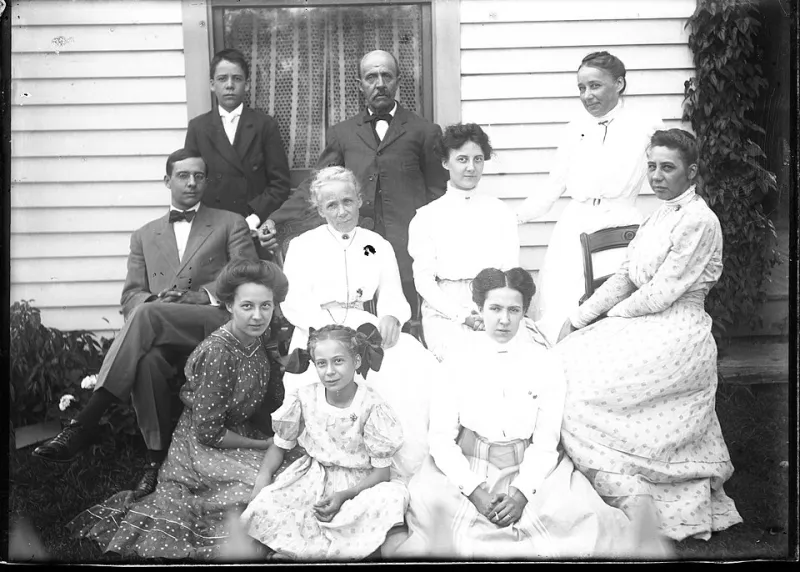
Photo: Warner, Marion G., 1861-1922, Public domain, via Wikimedia Commons
Most family vacations accidentally split into two trips: the kid parade and the adult waiting room. A ranch week in Redondo Country does not have to work that way. The secret is not a minute-by-minute schedule that tries to please everyone. It is a rhythm with lanes—shared moments when all three generations come together, and flexible blocks when small groups peel off to do their own thing.
Think of it as a porch-to-pasture plan. The porch is for coffee, cards, and grandparents who want to watch the light move across the valley. The pasture is for kids who need to run, ride, and get a little dusty. The magic happens when both spaces are part of the same day, not competing versions of it.
Start With Shared Anchors, Not a Full Itinerary
Pick four or five anchors for the week. These are short, low-barrier moments that everyone can join without a major production. Porch coffee at 7:30. A morning hello to the horses. One picnic lunch. A sunset walk down the driveway. A cabin dinner with no phones at the table.
Anchors give the week a shape without turning it into boot camp. The rest of the day stays loose. If the kids are still hunting creek stones at 11 a.m., let them. If grandpa wants a second cup and a crossword, that is not a delay—it is the point. The anchors are the spine; the afternoons are the wiggle room.
Choose a Cabin Setup That Lets Everyone Retreat
Three generations need more than square footage. They need a little separation. Look for a cabin with a main-level bedroom for grandparents, a separate bunk room or loft for kids, and at least two bathrooms. A covered porch is worth its weight in gold. So is a short, even path from the car to the door.
Ask practical questions before you book: How many steps? Is the path gravel or packed? Is there a bedroom on the main floor? Where is the nearest shade? None of this is glamorous, but it is the difference between a week that flows and a week spent negotiating stairs. Aim for together but not on top of each other. If the kids get the loft, give them a nightlight and a fan. If grandparents get the quiet room, give them the good chairs on the porch.
Pace the Week in Two Lanes
Mornings together. Afternoons in two lanes. That simple framework solves most multigenerational friction.
The grandparent lane might be porch time, a short walk, a trip into town, or a nap with a book on the chest. The kid lane might be a creek explore, a riding session, a craft project, or a longer hike with parents. Nobody has to apologize for choosing the lane that fits their energy that day.
Build in a swap hour, too. Grandma and one grandkid make cookies while parents take a walk. Grandpa and a teenager drive to the overlook with cameras. The swap is not babysitting duty. It is real connection, one-on-one, without the whole group negotiating every move. Those paired hours often become the stories everyone retells at dinner.
Make Mobility and Energy Part of the Plan
Do not promise a hike if what you really mean is a viewpoint. Choose activities with exit ramps: a short loop, a bench halfway, a vehicle waiting nearby. A sunset walk can be as simple as the pasture edge or the length of the driveway. If someone uses a cane or tires easily, ask about terrain and distances before you commit. A packed path and a shady bench can turn a good idea into a great memory.
Kids need to burn energy, but they also need downtime before they melt down. Schedule adventure before quiet, not after. An afternoon rest is not a failure of the itinerary. It is ranch rhythm. The land runs on weather and light, not on a theme-park schedule.
Build Meals Around Low-Stress Wins
Breakfast should be easy: yogurt, fruit, cereal, coffee, eggs if someone feels ambitious. Lunch can be assemble-your-own sandwiches or leftovers on the porch. For dinner, mix two cabin nights, one ranch meal, and one casual town night. Assign small roles—grandparent sets the table, kid picks the music, parent grills—so nobody carries the whole meal alone.
Keep snacks visible and water bottles filled. A porch happy hour with lemonade and something colder for adults buys everyone patience. S'mores early for little ones, a second round for the night owls. Nobody needs a perfect dinner. They need a table where everyone can sit down without a committee meeting first.
Plan Shared Rituals That Cost Nothing
A bird list by the window. A cabin journal with one line per person per day. A sunset check on the porch. The best thing that happened today, around dinner. These small rituals give grandparents and grandkids a common language without forcing anyone into a forced-fun activity.
Repeat them. Repetition is what turns a nice trip into a family story. By midweek, the youngest kid will remind everyone about porch coffee. That is the win.
The Real Goal: Room to Be Together
Inclusive family travel is not about lowering the bar. It is about widening the door. When grandparents have a porch and pasture option, and kids have adventure and downtime, everyone shows up at dinner with something to say. A Montana ranch week can be that rare trip that genuinely works for ages six to seventy-six—not because it is packed with activities, but because it leaves room for all of them.