When the Sun Drops Behind the Mountains: A Family's Guide to Redondo After Dark
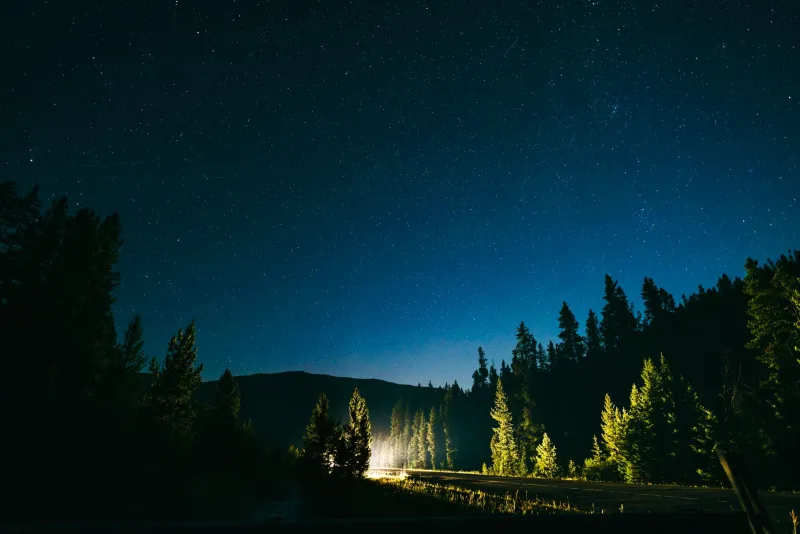
There is a moment at the ranch when dinner plates are cleared, the porch lights flicker on, and someone says, almost apologetically, that it might be time to head inside. That is usually the exact moment the sky starts putting on its real show. In Redondo country, darkness is not the end of the day's entertainment. It is the second act.
Montana's big sky is often talked about as a daytime thing — those huge blue bowls of clouds and sun. But the same lack of city glow that makes afternoon horizons so dramatic also makes after-dark here unusually generous. For families, that means a vacation evening does not have to mean screens, meltdowns, or an early bedtime. It can mean blankets on the grass, a thermos of cocoa, and a kid spotting a satellite for the first time.
Why the Show Starts After Dinner
At home, stargazing can feel like a special-occasion outing. At a Redondo ranch, it can be a habit. You do not need a telescope, a permit, or a long drive. You need a clear patch of sky, a little patience, and maybe a firepit. That low barrier is the beauty of it. The ranch becomes not just a place to sleep between hikes, but a place where the night is part of the itinerary.
Think of it as the easiest family activity you will plan all week. No reservations. No crowds. No admission fee. Just step outside, let your eyes adjust for fifteen or twenty minutes, and watch how much more appears than you expected.
Picking Your Season — and Your Sweater
Summer is the classic stargazing season here, and for good reason. The Milky Way's bright core arcs overhead, evenings are mild, and kids can stay up a little later without turning into pumpkins. July and August are especially rewarding, though you will want bug spray for the first hour before the mosquitoes settle.
Fall brings crisp air and some of the clearest skies of the year. The tradeoff is temperature. A September or October night can start comfortable and turn downright chilly by the time the constellations come out. Layer up, and bring a blanket for each person, not one to share.
Winter offers superb transparency — cold air often means sharp stars — but it is not the season for a casual barefoot lawn party. If your family is game, treat it like a short expedition: fifteen minutes outside, then back in for cocoa. Spring is the wildcard. Some nights are soft and glorious; others are cloudy and muddy. Keep expectations flexible and take the clear windows when they come.
Where to Spread the Blanket
You do not need a secret spot. You need a spot away from the lodge's brightest exterior lights. Ask at the front desk or with your ranch host which paths and meadows are open after dark, and which areas are best for families. Often, a short walk from the main buildings is enough to make a noticeable difference.
An open meadow is ideal because it gives you a wide slice of sky without trees blocking the view. A gentle rise or ridge can work nicely, too, as long as the path is safe and familiar. The firepit clearing is another favorite: you get warmth, seating, and a natural gathering point. Just remember that firelight helps your mood but hurts your night vision. When you are ready to really look up, step a few paces away from the flames and give your eyes a few minutes to readjust.
Apps and Stories That Keep Kids Looking Up
A little technology can be a bridge, not a distraction. Free or low-cost apps like SkyView Lite, Star Walk 2, and Night Sky let kids point a phone at the heavens and identify what they are seeing. Use them sparingly. The goal is to look up, not down at a screen all night. A good rhythm is to identify one or two objects, then put the phone away and see who can spot them again without help.
Stories matter as much as apps. You do not need to be an astronomy expert. Start with the Big Dipper, probably the easiest pattern for kids to find. Then tell the old idea that its two outer bowl stars point toward Polaris, the North Star. For centuries, travelers used that simple line to find their way. In Montana, that feels less like a history lesson and more like a useful ranch skill.
Cassiopeia is another friendly target — a bright zigzag that is easy to recognize. Orion, with his famous belt, is a winter favorite. And the Milky Way itself needs no technical explanation. Tell kids it is a river of stars so far away that it looks like spilled milk across the sky. Then let them lie back and decide what shapes they see. The constellations are official; the family stories are yours.
The Firepit Ritual: S'mores Without the Chaos
A good s'mores setup is less about gourmet technique and more about station management. Set out graham crackers, chocolate, and marshmallows on a tray or table near the fire, but not so near that someone's sleeve becomes part of the recipe. Give each child a long roasting stick and a clear boundary for where to stand. Adults should handle the fire itself, of course.
For younger kids, try marshmallow skewers that are easier to control, or pre-build a few s'mores and let them warm near the edge of the fire. Some families like to add peanut butter, strawberry jam, or a thin slice of banana. Others insist that plain chocolate is the only civilized choice. Either way, the ritual matters more than the recipe: everyone gets a job, everyone gets a warm treat, and nobody has to be anywhere else.
When the sugar rush hits, it helps to have a quiet follow-up. Turn off flashlights, sit back, and ask each person for one thing they noticed in the sky. It is a small thing, but it gives the evening a natural close.
Cold-Weather Comfort That Keeps Everyone Outside
The difference between a magical night and a miserable one is usually about ten degrees and one bad jacket. Dress in layers, including a warm hat and gloves, even if the afternoon felt mild. Bring a thermos of hot chocolate or cider. Pack a few hand warmers. Use red-light flashlights if you have them, since red light preserves night vision better than white light. And keep the outing short if the kids are young. Twenty good minutes under a clear sky beats an hour of shivering.
A Simple After-Dark Plan
Start with a fire and s'mores while the sky is still settling into darkness. When the marshmallows are gone, walk a few steps away from the flames and let your eyes adjust. Find the Big Dipper, then the North Star. Use an app for one or two new discoveries. Then put the phone away and let the quiet do its work. In Redondo, the night shift is not a chore. It is the part of the day your family may remember longest.